Home window tinting guide to energy savings, UV protection, privacy, and choosing pros
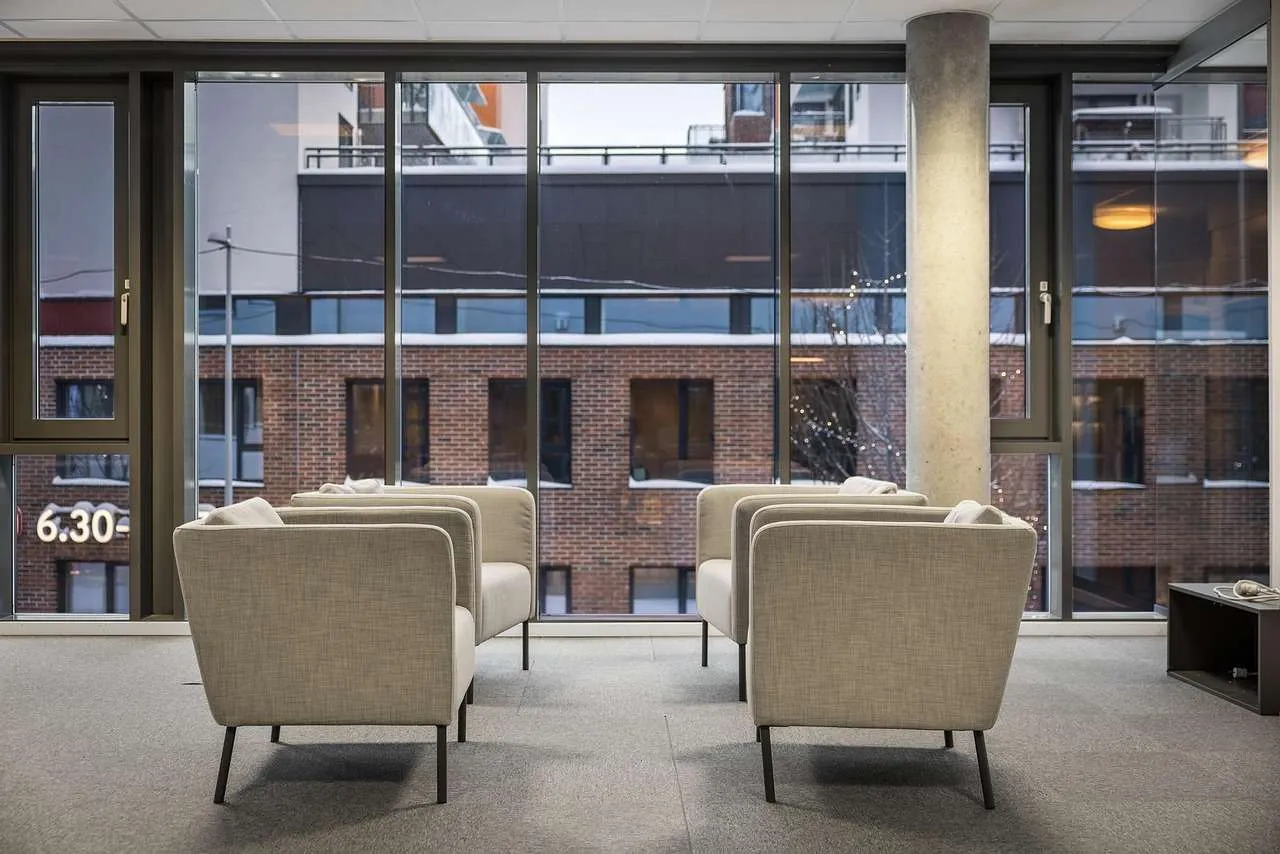
Home window tinting has evolved into a practical solution for homes seeking comfort, energy savings, and privacy. Modern films block heat and UV light while preserving natural light and curb appeal.
What is home window tinting?
Residential window tinting involves applying a thin film to interior glass surfaces. The film can reduce heat transfer, lower glare, and protect interiors from fading, while allowing daylight to pass through.
Benefits of home window tinting
- Energy efficiency: By reflecting or absorbing solar heat, tinting reduces cooling loads in warm months.
- UV protection: Most films block up to 99 percent of UV rays, helping preserve fabrics and floors.
- Glare reduction: A tint minimizes glare from sunlight and headlights at night, improving comfort.
- Privacy and security: Tinted glass can deter prying eyes while maintaining exterior visibility.
- Safety and durability: Some films hold shattered glass in place, offering an extra layer of safety.
Types of residential window tint
Dyed window tint
Dyed films use colored dye to absorb heat. They are the most affordable option but may fade or turn purple over time.
Metalized window tint
Metalized films incorporate metal particles to reflect heat and reduce glare. They offer strong performance but can interfere with electronics and reduce visible light slightly.
Ceramic window tint
Ceramic films use nonconductive ceramic particles for high heat rejection without metal. They provide excellent clarity and minimal reflectivity, often with long warranties.
Carbon window tint
Carbon films leave a matte, non reflective appearance and offer solid heat rejection. They resist fading and maintain color over time.
Choosing the right tint: key factors
Consider these factors when selecting a tint: visible light transmission VLT, heat rejection, UV protection, local laws, and the specific room function. A higher VLT preserves view but may provide less privacy, while a lower VLT offers more privacy but slightly reduces daylight.
DIY vs professional installation
Professional installation ensures a bubble-free finish, precise edge sealing, and longer warranty coverage. DIY kits are cheaper but risk air pockets, improper edges, and voided warranties. Expect typical installed costs per square foot based on tint type and film quality, plus possible travel or labor minimums.
Maintenance and care
Clean films with a soft cloth and a mild solution, avoiding harsh chemicals that can degrade adhesives. Do not scrub edges aggressively and avoid ammonia-based cleaners that can degrade tint films over time. Have professional inspections if you notice peeling or bubbling.
Tint type comparison
| Tint Type | Key Benefits | Cost per sq ft | Privacy | Longevity | Notes |
|---|---|---|---|---|---|
| Dyed | Heat absorption, low cost | 3–5 | Low to moderate | 5–7 years | Possible fading |
| Metalized | Heat reflection, glare control | 5–7 | Moderate | 10–15 years | May affect signals |
| Ceramic | High heat rejection, clarity | 7–12 | Moderate | 15–20 years | Best performance option |
| Carbon | Excellent heat rejection, non reflective | 6–12 | Good | 12–15 years | Matte appearance |
Summary: In short, choosing the right home window tinting combines performance, value, and aesthetics. By understanding tint types, legal considerations, and working with qualified installers, homeowners can improve comfort, protect furnishings, and lower energy costs over time.